


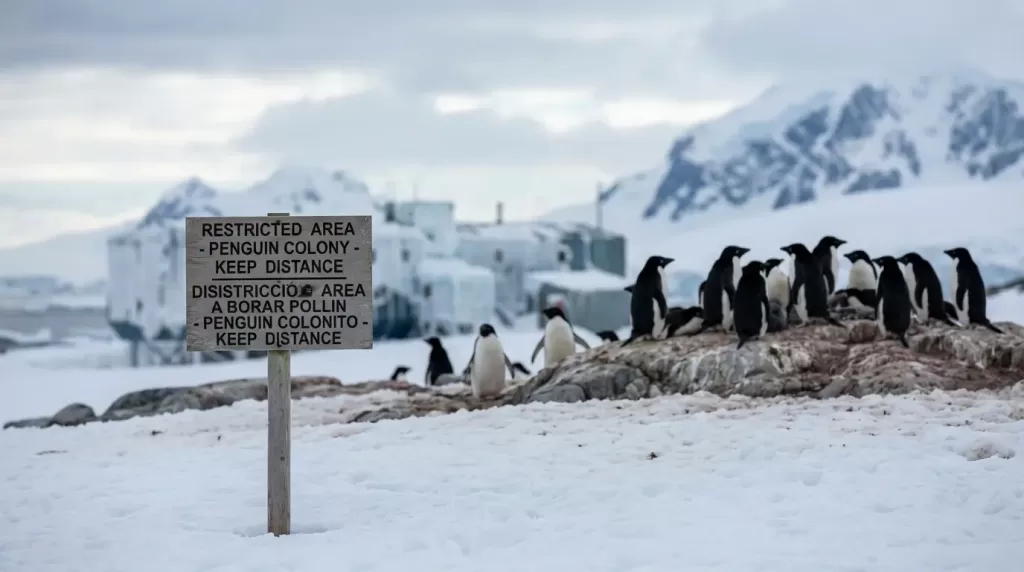
Many travelers dream of visiting Earth’s most remote continent, yet Antarctica remains surprisingly inaccessible compared to other polar destinations. Unlike Alaska, where you can book a hotel room and rent a car at will, traveling to the frozen southern landmass involves navigating a complex web of international regulations, environmental protections, and logistical challenges. The misconception that Antarctica is “forbidden” stems from these strict controls, but the reality is more nuanced than a simple ban on tourism.
You can actually vacation in Antarctica, but the process differs dramatically from conventional travel. The Antarctic Treaty System, signed by 54 nations, governs all activities on the continent and prioritizes scientific research and environmental preservation. Tourism is permitted under strict guidelines that limit visitor numbers, require environmental impact assessments, and mandate that all operators follow protocols designed to protect the pristine ecosystem. These regulations make Antarctic travel expensive, highly regulated, and available only through approved tour operators rather than independent exploration.
The Antarctic Treaty System: Why Rules Are Different
The Antarctic Treaty, signed in 1959 and entering into force in 1961, established the continent as a scientific preserve. This international agreement suspended territorial claims and prohibited military activities, nuclear testing, and radioactive waste disposal. However, it didn’t explicitly address tourism, which became significant only decades later.
The Environmental Protocol to the Antarctic Treaty, adopted in 1991, filled this gap by designating Antarctica as a “natural reserve, devoted to peace and science.” This protocol introduced comprehensive environmental protection measures that directly impact how tourism operates. All activities, including tourism, must undergo environmental impact assessments before proceeding.
Furthermore, the treaty system operates through consensus among member nations, creating a unique governance structure. No single country controls Antarctic tourism policy. Instead, operators must comply with regulations from their home countries, the International Association of Antarctica Tour Operators (IAATO), and the treaty framework itself. This multilayered oversight creates the perception of restricted access when, in reality, it represents careful management rather than prohibition.
Key Treaty Provisions Affecting Visitors
Several specific provisions shape the tourist experience. The protocol requires that visitors take nothing but photographs and leave nothing but carefully managed footprints. All waste must be removed from the continent, including human waste from field camps. These requirements significantly increase operational costs and complexity.
Additionally, the treaty mandates that tourism must not interfere with scientific research, which takes priority. Landing sites near research stations require coordination and sometimes restrictions during sensitive research periods. This scientific priority distinguishes Antarctic governance from the commercial tourism framework you’ll find in destinations like Alaska.
Environmental Protection and Tourism Restrictions
The continent’s extreme fragility drives many access restrictions. Antarctic ecosystems recover slowly from disturbance, and introduced species could devastate native populations. Consequently, biosecurity measures exceed those at any other destination. Visitors must thoroughly clean and vacuum clothing and equipment before departure to prevent accidentally introducing seeds, soil, or microorganisms.
Visitor limits at landing sites protect wildlife and landscape integrity. The IAATO guidelines restrict groups to 100 passengers or fewer going ashore at any time, with no more than one vessel per site. Moreover, when wildlife is present, specific approach distances must be maintained—typically five meters for penguins and fur seals, though animals may approach closer on their own initiative.
Protected Areas and Off-Limits Zones
The treaty system has designated numerous Antarctic Specially Protected Areas (ASPAs) and Antarctic Specially Managed Areas (ASMAs). These zones have restricted or prohibited access to preserve unique ecosystems, geological features, or historical sites. Some areas require special permits even for scientists, making them completely off-limits to tourists.
The Antarctic Treaty Secretariat maintains detailed information about protected areas and management plans. These restrictions contrast sharply with Alaska, where public lands generally allow recreational access under standard wilderness regulations. The difference reflects Antarctica’s status as a global commons requiring collective protection rather than a territory managed primarily for resident populations.
Logistical Barriers That Make Antarctica Unique
Beyond regulations, practical challenges limit Antarctic accessibility. The continent lacks permanent civilian infrastructure. There are no hotels, restaurants, or roads connecting sites. All visitor facilities must be self-contained aboard expedition ships or established as temporary field camps with complete logistical support.
Travel distances compound these difficulties. The Drake Passage between South America and the Antarctic Peninsula spans 600 miles of notoriously rough ocean. Crossing it requires two days each way aboard ice-strengthened vessels. Air travel options exist but remain limited and expensive, with flights from Chile or Argentina to King George Island or specialized camps costing tens of thousands of dollars.
Weather and Seasonal Constraints
Antarctic tourism operates only during the austral summer, roughly November through March. During these months, daylight extends up to 24 hours, temperatures reach their “warmest” (still often below freezing), and ice conditions permit ship navigation. Outside this window, darkness, extreme cold, and sea ice make visits essentially impossible for tourists.
Nevertheless, weather remains unpredictable even in summer. Expeditions routinely modify itineraries due to ice, wind, or whiteout conditions. This unpredictability necessitates flexible schedules and experienced polar expedition staff, adding further costs. The combination of isolation, harsh conditions, and lack of infrastructure creates risk levels that require specialized equipment, training, and emergency protocols far beyond typical vacation destinations.
How Antarctica Tourism Actually Works
Commercial Antarctic tourism began in the late 1960s with small expedition cruises. Today, approximately 75,000 people visit annually, though this number fluctuates. Most tourists arrive aboard expedition ships ranging from small yachts carrying 12 passengers to larger vessels with 200-500 passengers. Larger ships often conduct scenic cruising without landings, as regulations limit the number of people ashore simultaneously.
Tour operators who are IAATO members follow strict guidelines that often exceed treaty requirements. These self-imposed regulations include mandatory briefings on environmental protocols, restrictions on drone use, and requirements that guides maintain prescribed ratios to passengers during shore excursions. Consequently, the industry has maintained a relatively strong environmental record despite growing visitor numbers.
| Tourism Type | Typical Cost | Duration | Access Level |
|---|---|---|---|
| Expedition Cruise | $8,000-$15,000 | 10-21 days | Peninsula, South Shetlands |
| Fly-Cruise Hybrid | $15,000-$25,000 | 8-12 days | Peninsula, skip Drake Passage |
| Luxury Expedition | $25,000-$50,000+ | 14-28 days | Ross Sea, East Antarctica |
| Private Yacht Charter | $50,000-$100,000+ | Flexible, 7-21 days | Variable, permit-dependent |
| Land-Based Camp | $40,000-$70,000 | 7-14 days | Interior, South Pole options |
Activities and Experiences Available
Despite restrictions, Antarctic tourists can engage in various activities. Shore landings allow close wildlife observation, particularly penguin colonies, seal haul-outs, and seabird nesting sites. Zodiac cruising among icebergs and along coastlines offers photographic opportunities and different perspectives on the landscape.
Adventure activities have expanded in recent years. Some operators offer sea kayaking, mountaineering, camping on the ice, polar diving, and even stand-up paddleboarding in protected bays. These activities require additional safety protocols and environmental assessments but demonstrate that tourism regulations don’t mean the continent is completely locked down. Rather, they ensure activities proceed responsibly.
Why Alaska Tourism Is So Different
Alaska’s accessibility stems from its status as a U.S. state with permanent infrastructure and resident populations. The state has highways, airports, hotels, and all the amenities of conventional destinations. You can visit independently without specialized knowledge or equipment, renting a car and exploring at your own pace—something impossible in the southern polar region.
Moreover, Alaska has established tourism industries spanning over a century. The state actively promotes tourism as an economic driver, whereas Antarctic tourism remains carefully managed to prioritize science and conservation. Alaska’s national parks and wilderness areas do have regulations, but they’re designed to accommodate millions of visitors annually through developed facilities, trails, and campgrounds.
Sovereignty and Governance Differences
The fundamental difference lies in governance. Alaska belongs to the United States, which manages land use, commercial activities, and visitor access through federal and state agencies. The regulatory framework balances conservation with economic development and recreational access. In contrast, the Antarctic Treaty’s multilateral governance prioritizes preservation above all other uses.
Alaska’s resident populations also create different dynamics. Indigenous communities, small towns, and cities provide services to tourists while maintaining their livelihoods. This human presence creates economic incentives for tourism development that don’t exist in Antarctica, where no indigenous population has ever existed and no permanent civilian settlements are permitted.
If you’re considering how travel preferences shape destination choices, understanding these governance and infrastructure differences proves essential. The contrast between Alaska’s developed tourism infrastructure and the southern continent’s preserved wilderness highlights how political and environmental factors shape where and how we can vacation. This comparison might interest those weighing independent travel versus guided expedition experiences.
Planning Your Antarctica Vacation: What You Need to Know
If you’re determined to visit, understanding the planning process helps set realistic expectations. Most travelers book 12-18 months in advance for popular departure dates, though last-minute deals sometimes become available. The booking process typically starts with selecting an IAATO-member operator, which guarantees adherence to environmental protocols.
Costs vary dramatically based on vessel size, amenities, and itinerary. Budget-conscious travelers might find expedition cruises starting around $8,000, while luxury options easily exceed $30,000 per person. These prices typically include all meals, excursions, expert guides, and expedition gear but exclude international flights to departure ports (usually Ushuaia, Argentina, or Punta Arenas, Chile).
Required Preparations and Considerations
Physical preparation matters more than for typical vacations. While extreme fitness isn’t required, you should be comfortable getting in and out of inflatable boats in wave conditions, walking on uneven terrain including snow and ice, and handling cold, potentially wet weather. Most operators require medical clearance for passengers over certain ages or with specific health conditions.
Travel insurance becomes non-negotiable, specifically policies covering medical evacuation from polar regions. Standard travel insurance often excludes Antarctica, so specialized policies cost more but provide essential coverage. Medical evacuation from the Antarctic Peninsula can cost over $100,000, making comprehensive insurance a practical necessity rather than optional protection.
Additionally, you’ll need appropriate clothing and gear. Most operators provide detailed packing lists emphasizing layering systems, waterproof outer layers, and insulated boots. Some supply parkas and boots as part of the package, while others expect you to bring your own. Proper preparation ensures comfort and safety in conditions that can shift rapidly from calm to challenging.
Best Times and Regions to Visit
The Antarctic tourism season offers distinct experiences depending on timing. November features spring conditions with pristine snow, courting penguins, and fewer tourists. December through January brings warmer weather (relatively speaking), active penguin chicks, and the best weather for reaching southern locations. February and March offer whale watching opportunities as whales feed before winter, though penguin colonies become quieter as chicks fledge.
The Antarctic Peninsula receives 90% of tourists due to accessibility and concentration of wildlife. The Weddell Sea, Ross Sea, and East Antarctica offer more remote experiences with historical expedition sites but require longer, more expensive voyages. South Georgia Island, technically sub-Antarctic, provides extraordinary wildlife encounters including massive king penguin colonies and elephant seal breeding beaches.
The Future of Antarctic Tourism
Antarctic tourism faces evolving challenges and opportunities. Climate change is already impacting ice conditions, wildlife populations, and weather patterns, potentially altering both the feasibility and nature of tourism. Some areas are becoming more accessible as ice retreats, while others face increased environmental sensitivity requiring additional protections.
The International Maritime Organization’s ban on heavy fuel oil, taking effect in stages through 2029, will transform expedition shipping. This regulation aims to reduce pollution risks but requires vessel modifications or replacements, likely increasing costs. However, it also represents the tourism industry’s commitment to minimizing environmental impact.
Balancing Access and Conservation
Debate continues about appropriate tourism levels. Some environmental advocates argue that any tourism degrades the pristine environment, while others contend that well-managed tourism creates global stakeholders invested in Antarctic conservation. The IAATO and treaty nations regularly review policies to ensure tourism remains sustainable as visitor numbers potentially grow.
Emerging technologies may reshape Antarctic access. Electric and hybrid-electric expedition vessels could reduce environmental footprints while maintaining or improving visitor experiences. Virtual reality technologies might eventually offer Antarctic experiences to those unable to travel physically, though these can’t replicate the transformative power of actually setting foot on the continent.
Ultimately, the question isn’t whether we’re “allowed” to vacation in Antarctica, but rather how we balance human curiosity with environmental stewardship. The regulatory framework ensuring that Antarctic tourism proceeds responsibly reflects our collective responsibility to preserve one of Earth’s last great wildernesses for future generations. This approach differs fundamentally from commercial tourism models but serves the greater purpose of protecting an irreplaceable global resource.
If you’re considering an Antarctic expedition, thorough research and careful operator selection remain essential. The investment of time and money is substantial, but for many travelers, experiencing the raw beauty of the frozen continent represents a once-in-a-lifetime journey worth the effort. Understanding the regulations and logistics helps you approach the trip with realistic expectations and appropriate respect for this extraordinary destination.
For questions about responsible travel planning or to share your own experiences with extreme destination travel, feel free to reach out to our team. The growing community of Antarctic travelers continues to advocate for balanced policies that protect the continent while allowing carefully managed human experiences of its wonders.